Speech and Language Therapy
Speech Sound Disorders (SSD)

You notice that your child doesn’t speak clearly or makes errors in producing certain sounds in their speech. It could be due to various reasons. A differential diagnosis is a key to a successful therapy. Whether it’s dysarthria, childhood apraxia of speech, phonological disorder, or lisp, in the clinic we successfully diagnose and create an effective treatment plan that goes beyond drills and repetitions. Our treatment program may include auditory bombardments, practice drills, massages, kinesio taping, and a deeper work with oral-facial muscle structures. Sometimes, your child’s mispronounced sound represents the tip of the iceberg and requires a more thorough attention to other aspects of his development.
Developmental Language Disorder (DLD)
DLD is one of the most common, yet misdiagnosed disorders. Due to the child’s verbal and non-verbal performance, it is often mistaken for Autism Spectrum Disorder, Intellectual Disability or speech disorders, such as Childhood Apraxia of Speech (CAS) or Dysarthria. However, a differential diagnosis is crucial for the child’s successful treatment plan and progress and may impact future quality of his/her life. Children with DLD are born with the intelligence of a typical child, just not the language. Nevertheless, it is important to understand that, untreated or mistreated, it could cause intellectual decline, functional disability, and psycho-emotional struggles. In the clinic we implement V. Kovshikov’s methodology and a linguistic concept. Therapy includes at least twice a week sessions in the clinic, parental consultation, and practice at home.
Pragmatic Language/social interaction disorders of neurologically diverse kids
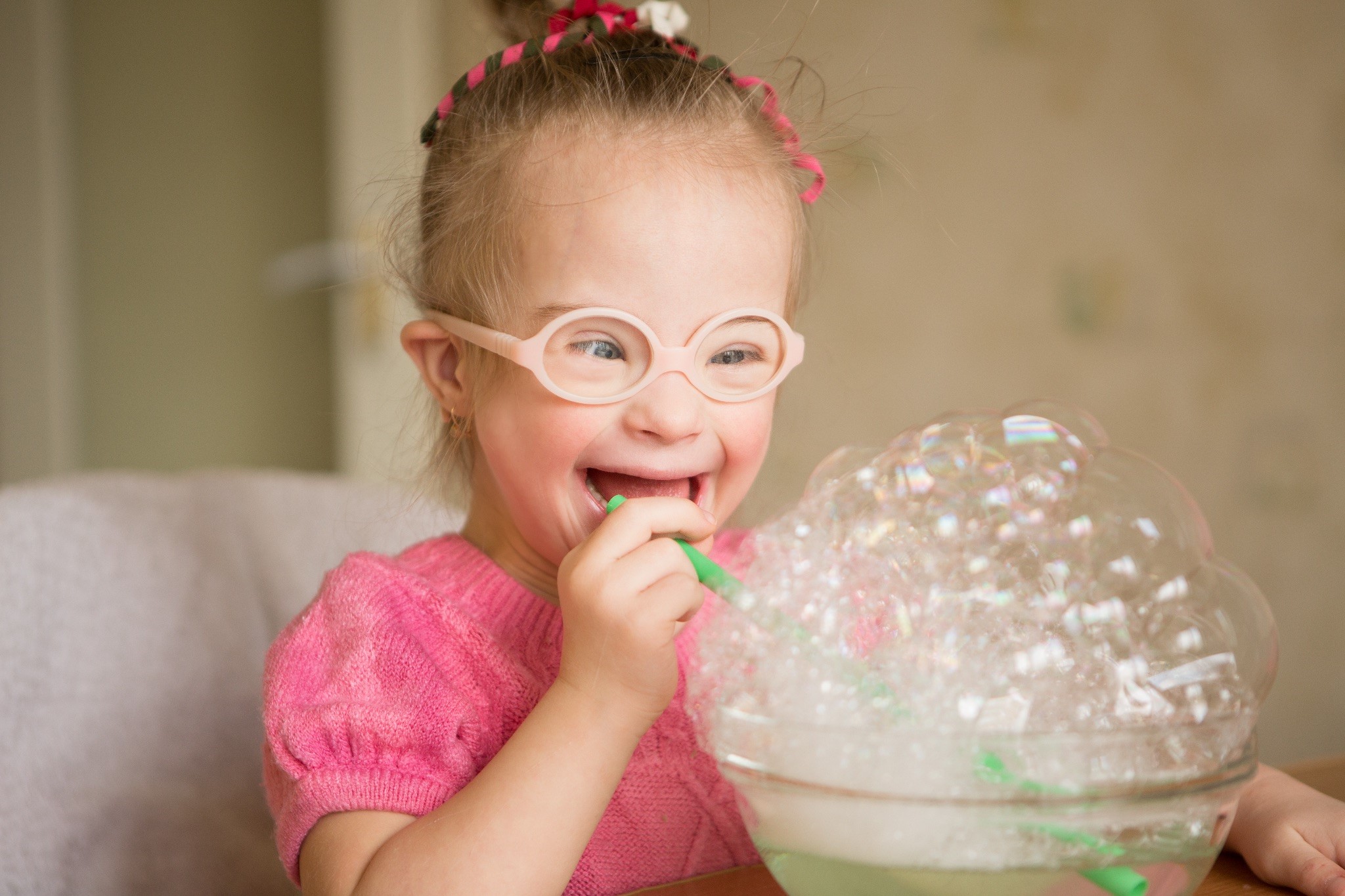
Children whose language delay is secondary to a neuropsychological condition like Autism Spectrum Disorder learn to establish joint attention and reciprocity first. They learn to imitate non-verbal actions, take turns, and establish eye contact. Only after establishing contact, we begin to work on non-verbal and verbal language communication skills. The PECS program is being successfully implemented to help these kids communicate and interact with others. Our sensory gym provides a necessary sensory integration.
Learning Disability
Students who struggle at school with reading, comprehension, writing, or following directions, may present with a learning disability that requires professional support to overcome those difficulties.
